
Bagged vs. Bagless Vacuums: A Practical Cost and Cleanup Comparison
The dust-emptying step may matter more than the bin style itself. Compare replacement supply costs and how much dust escapes during disposal.
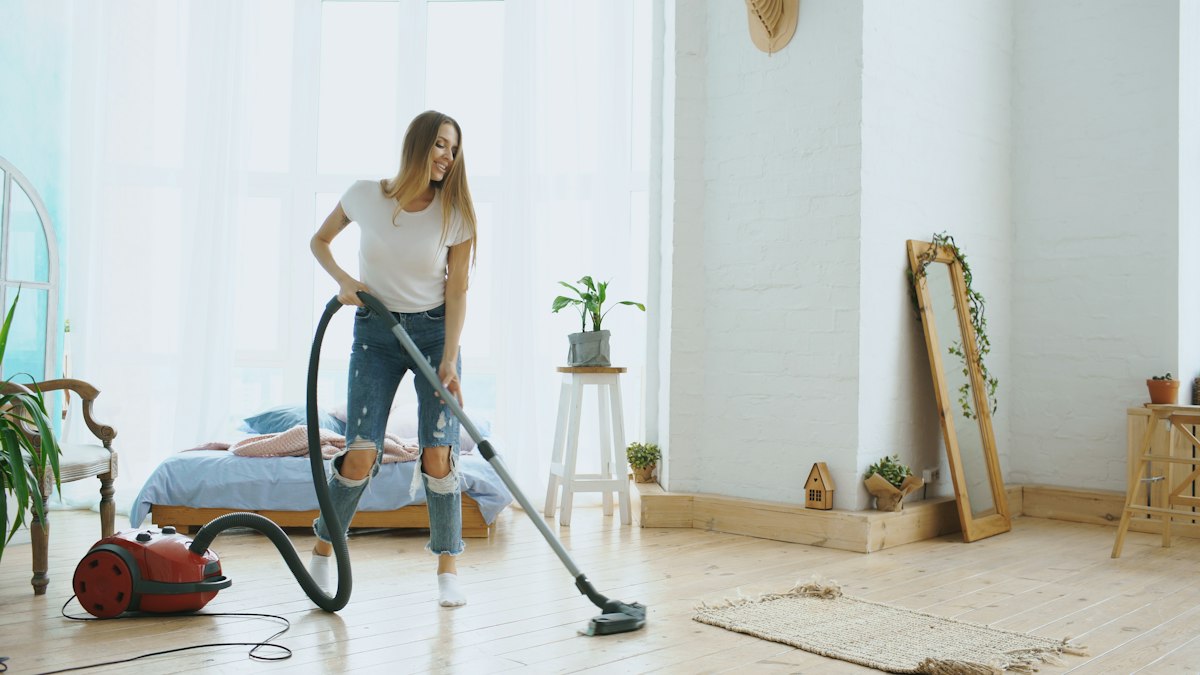
If a vacuum is used in a small entry closet, you may want a bag that seals when removed. Another household may prefer seeing when a reusable bin needs attention.
Start with the room and routine
If a vacuum is used in a small entry closet, you may want a bag that seals when removed. Another household may prefer seeing when a reusable bin needs attention. The right fit depends on how often you clean, where the appliance can live, and which jobs you want it to handle between deeper cleans.
Shoppers weighing ongoing consumables against quick bin disposal. If that sounds like your household, write down the two or three rooms you would use it in first and how often you would start a run.
What to compare before buying
Check bag availability, replacement cost, bin capacity, filter schedule, and the manufacturer’s emptying instructions. Compare the total upkeep over the time you expect to own it.
- Check the physical dimensions against your storage or furniture clearances.
- Read the manual for surface compatibility, cleaning steps, and replaceable parts.
- Compare retailer return terms and availability for filters, bags, rollers, or batteries.
Bagless does not mean zero maintenance, and bagged models create a recurring supply cost. Handling dust can be messy with either design.
A sensible shortlist for this situation
The collection system you can empty and maintain consistently. Compare two or three products on the same points rather than being swayed by a long feature list. Start with whether the model fits your floor type, reaches the rooms you care about, and can be maintained without hassle.
Questions to ask on the product page
Confirm what is included in the box, which accessories are optional, what parts need regular replacement, and how the maker describes the product’s limitations. Features and availability change, so use the current manufacturer and retailer listing before you decide.
Compare current vacuum buying guides options
Use the guide above to narrow down the features that matter to your home, then verify dimensions, included accessories, current availability, and return terms.
View current options on Amazon ↗Retailer search link; not an affiliate link. Product range and pricing may change.Who this approach suits
This guide is most useful for shoppers weighing ongoing consumables against quick bin disposal. It may be less useful if your main need is a specialized cleaning task not covered in the maker’s product documentation. For hard floors, rugs, and delicate finishes, check the flooring manufacturer’s care instructions too.
Frequently asked questions
What should I check before ordering?
Confirm the dimensions, included tools, floor compatibility, maintenance steps, and return terms on the current product listing. For this guide, start with: Check bag availability, replacement cost, bin capacity, filter schedule, and the manufacturer’s emptying instructions. Compare the total upkeep over the time you expect to own it.
Does a higher feature count always mean a better fit?
Not necessarily. Features add value only when they address a recurring need in your home. Compare the upkeep, placement, noise, and ongoing supplies alongside the functions you expect to use.
VacuumVs does not claim hands-on testing for products in this guide. We explain what to verify using published information and practical home considerations. Always confirm current specifications with the manufacturer.